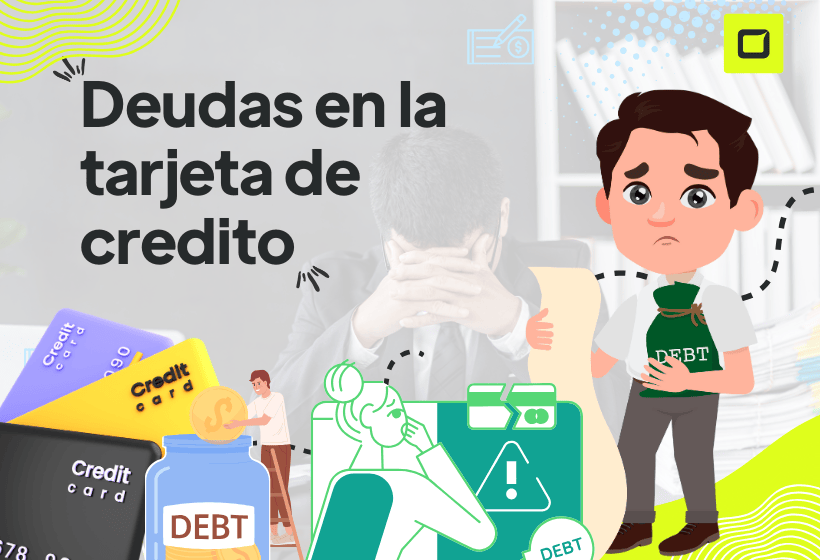

Credit cards often generate mixed opinions. For some people, they are a useful and convenient tool; for others, a constant source of financial problems. The truth is that a credit card is neither good nor bad by itself—it all depends on how it is used. Managed well, it can help you organize your payments, improve your credit history, and even save money. Misused, it can lead to a debt spiral that’s difficult to control.
In this article, we’ll explore how to use credit cards to your advantage, comparing good and bad practices, with practical tips and clear examples, especially designed for those just starting to organize their personal finances.
What Is a Credit Card, Really?
A credit card is a payment method that allows you to use money that isn’t yours, but belongs to the bank or issuing entity, with the commitment to pay it back later. Each month, you have a credit limit, a billing date, and a payment due date.
The problem arises when the credit limit is mistaken for your own available money. In reality, every purchase you make with the card is a debt that you will need to repay, usually with interest if you don’t meet the established conditions.
Good Use vs Misuse of a Credit Card
To better understand how to avoid problems, it’s helpful to clearly compare both approaches.
Good Use of a Credit Card
- Pay the full amount spent each month.
- Use the card as a payment tool, not as an extension of your salary.
- Track your spending and know exactly how much you owe at all times.
- Take advantage of benefits like discounts, rewards points, or purchase protection.
- Keep debt levels low and manageable.
Practical Example:
María uses her credit card to pay for groceries and some services. At the end of the month, she pays the full balance without interest. In this way, she organizes her payments, earns rewards points, and avoids creating debt.
Misuse of a Credit Card
- Pay only the minimum monthly amount.
- Use the card to cover expenses you can’t afford.
- Have multiple cards with outstanding balances.
- Don’t know the interest rate you’re paying.
- Spend more than you earn.
Practical Example:
Carlos uses his credit card for going out, buying clothes, and paying for trips. Since he can’t cover the full balance at the end of the month, he pays only the minimum. Over time, the interest accumulates, and his debt grows even though he continues making payments.
The Danger of Paying Only the Minimum
One of the biggest mistakes with credit cards is paying only the minimum monthly amount. While it may seem like a convenient solution, it is one of the most expensive ways to go into debt.
When you pay only the minimum:
- Most of the payment goes toward interest.
- The debt takes much longer to disappear.
- You could end up paying double or more of the original amount..
Whenever possible, pay the full balance. If you can’t, it’s a clear sign that you’re spending beyond your means.
Practical Tips to Use Your Credit Card to Your Advantage
Use alerts and review your statements
Checking your transactions helps detect errors, fraud, and unnecessary expenses.
Treat the card like deferred cash
Before using it, ask yourself: Could I pay for this today with my own money? If the answer is no, it might not be a good idea to use the card.
Always pay the full monthly balance
This avoids interest charges and keeps you in control. This is the golden rule.
Know your billing and payment dates
Planning your purchases around these dates can give you extra time without generating interest.
Limit the number of cards
Having too many cards makes it harder to manage. One or two well-managed cards are usually enough.
When Financing a Purchase Can Be Useful
Although it’s ideal to pay the full balance, there are occasional situations where financing can be reasonable, always with caution:
- Necessary and planned purchases
- Genuine “interest-free” installment promotions
- When you have stable income and clear planning
In these cases, it’s important to:
- Read the fine print.
- Avoid taking on multiple financed purchases at the same time.
- Make sure the monthly payment fits within your budget.
Warning Signs That You’re Misusing Your Credit Card
Pay attention if you identify with any of these situations:
- You use the card to cover basic expenses because you can’t make it to the end of the month.
- You don’t know exactly how much you owe.
- Your outstanding balance increases each month.
- You feel anxious when checking your statement.
- You apply for new cards to pay off other debts.
These signs indicate that it’s time to pause, reorganize your finances, and prioritize paying off your debt.
How to Get Out of Debt if You’re Already Struggling
If you’re already in debt, not all is lost. Some basic steps can help you:
- Stop using the card temporarily.
- Prioritize paying off the debt with the highest interest.
- Consider a payment plan or consolidation.
- Adjust your budget to free up money.
- Learn from the experience to avoid repeating it.
Getting out of debt requires discipline, but it is completely achievable.
Conclusion
Credit cards can be a powerful financial tool or a major obstacle, depending on how you use them. Good use relies on control, planning, and responsibility; misuse stems from impulse and lack of knowledge.
If you’re just starting to organize your finances, remember this: a credit card should not finance your lifestyle, but rather facilitate your payments and help you build a solid credit history. Used wisely, it can work in your favor; used without control, it can become a burdensome debt that’s hard to eliminate.